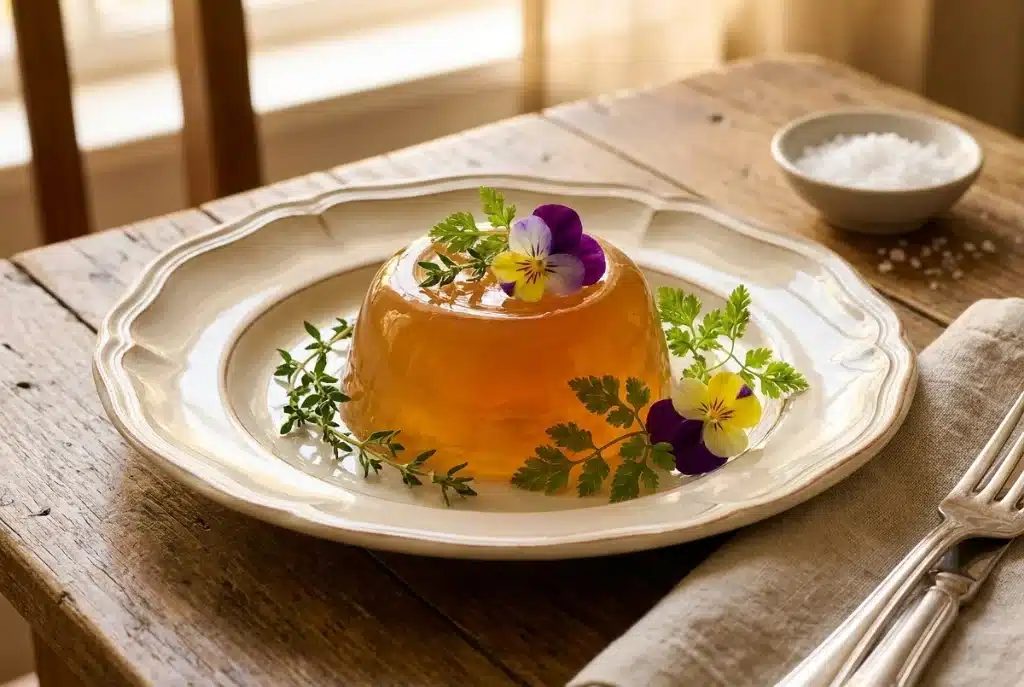
Is horse gelatin safe for humans to eat, that’s a question I honestly never thought I’d be researching at 10pm on a Tuesday, hovering over a bag of fruit snacks and squinting at the ingredient label. But here I was, three hungry kids asleep upstairs and a mild panic setting in. My youngest had just been given gummies at a birthday party, and a mom friend whispered, “You know some of those contain horse gelatin, right?” I nearly dropped my coffee.
Yes, horse gelatin is generally safe for humans to eat when it comes from regulated, properly processed sources. It is made from equine collagen, shares a similar amino acid profile to bovine gelatin, and poses no unique health dangers. Always check sourcing, certifications, and labels if you have dietary or ethical concerns.
So I did what any food-obsessed mom would do. I dove deep. I read studies, checked labels, called a supplier, and yes, I made a batch of homemade gelatin treats in my kitchen using clearly labeled bovine gelatin, just to feel in control again. What I found about horse gelatin genuinely surprised me. And I want to share every bit of it with you, because if you’re a parent trying to make smart choices for your family, this guide is for you.
Is Horse Gelatin Safe? The Complete Safety Profile
Let’s just get right into it. Is horse gelatin safe for humans to eat? The short answer is yes, under the right conditions. Horse gelatin is produced by extracting collagen from equine bones, hides, and connective tissues through a process nearly identical to how bovine (beef) gelatin is made. The end product is a flavorless, odorless protein powder that gels when dissolved in liquid.
The key word here is “regulated.” Gelatin produced in certified food-grade facilities, whether from horses or cattle, goes through acid or alkaline treatments, filtration, and sterilization. That process removes pathogens and contaminants. The science behind it is pretty reassuring, actually.
What makes horse gelatin safe for human consumption
Gelatin, regardless of its animal source, is essentially hydrolyzed collagen. In horse gelatin specifically, the collagen is extracted from equine hides and bones, then purified. The processing temperatures involved (often above 212°F) kill off bacteria and viruses. So when the question is whether horse gelatin is safe for humans to eat, the manufacturing process is really the deciding factor.
Countries like France, Belgium, and parts of Asia have used horse-derived gelatin for decades in both food and pharmaceutical applications, including capsule shells for medications. The FDA regulates gelatin as a food ingredient and does not differentiate between bovine, porcine, or equine sources from a safety standpoint, provided proper processing standards are met.
Honestly, I found this part reassuring. The safety of gelatin isn’t really about which animal it came from. It’s about how it was processed. A well-made horse gelatin product is chemically very similar to its bovine counterpart. Same gelling behavior. Same protein structure. Same basic safety profile.
If you love making fun food projects for your kids, our caramel apple Halloween candy guide uses clearly labeled ingredients, which is exactly the kind of transparency I look for when cooking for my three.
Documented health risks and side effects you should know
Now, I’m not here to paint a perfect picture. There are some real things worth knowing about horse gelatin side effects and risks. Allergic reactions are the biggest concern. Anyone with a known sensitivity to equine proteins should absolutely avoid horse-derived gelatin. Symptoms can range from mild digestive discomfort to more serious allergic responses.
There’s also the issue of sourcing transparency. In some regions, horses used for gelatin production may have been treated with medications like phenylbutazone (bute), which is banned in food animals in the US and EU. If the gelatin comes from a non-regulated supplier, trace residues are theoretically possible. This is why buying from certified, reputable brands matters so much.
Cross-contamination in facilities that also process pork or beef gelatin is another minor concern for people with strict dietary restrictions. The risks are low but not zero. Bottom line: horse gelatin is safe for most people when sourced responsibly, but you do want to know where it came from.
Horse Gelatin vs Bovine Gelatin: Head-to-Head Comparison
Once I started actually comparing horse gelatin vs bovine gelatin side by side, I got genuinely fascinated. They’re remarkably similar, but the differences are real and worth knowing, especially if you’re trying to make informed choices for your family.
Nutritional differences between horse and beef gelatin
Both horse and bovine gelatin are almost entirely protein, typically 85-90% by weight, with minimal fat and carbohydrates. The amino acid profile is closely matched, with glycine, proline, and hydroxyproline making up the bulk of both. These are the amino acids credited with supporting connective tissue health.
| Property | Horse Gelatin | Bovine Gelatin |
|---|---|---|
| Primary protein source | Equine collagen | Bovine collagen |
| Protein content (per 10g) | ~8.5-9g | ~8.5-9g |
| Gel strength (Bloom) | 200-250 | 200-260 |
| Flavor profile | Very mild, neutral | Mild, slightly meaty |
| Color when dissolved | Pale yellow | Pale yellow to golden |
| Western market availability | Limited | Very widely available |
One thing that surprised me: horse gelatin tends to have a slightly milder flavor than standard beef gelatin. A few specialty bakers actually prefer it in delicate desserts for that reason. Who knew, right?
Why bovine gelatin dominates Western food production
This is where culture and history come crashing into food science. In the United States and most of Western Europe, horses are not considered food animals. That cultural relationship between humans and horses has shaped everything from legislation to supply chains. Beef cattle are already processed at massive scale, making bovine gelatin a natural, cost-effective byproduct.
The horse gelatin vs bovine gelatin debate in Western markets isn’t really about safety or nutrition. It’s almost entirely about cultural preference and supply logistics. Beef gelatin is cheap, abundant, and socially acceptable. Horse gelatin, despite its similar properties, simply doesn’t fit into that same framework in the US or UK.
Pork gelatin (porcine) is actually the most widely used globally, but bovine dominates where religious or dietary restrictions around pork are common. Horse gelatin occupies a much smaller, more specialized niche in Western food production.
Horse Gelatin Health Benefits: What Research Actually Shows
Okay, so is horse gelatin safe for humans to eat from a health standpoint? Let’s go beyond basic safety and look at whether it actually does anything good for your body. The research here is interesting, though I’ll be honest with you: a lot of the studies are on gelatin generally, not horse gelatin specifically.
Does horse gelatin improve joint and skin health
The horse gelatin health benefits largely mirror what’s documented for all collagen-derived gelatins. Glycine and proline, the dominant amino acids in gelatin, are critical building blocks for collagen in your body. Your skin, joints, tendons, and gut lining all depend on collagen. Supplementing with gelatin has shown modest benefits in some clinical studies for joint pain reduction and skin hydration.
A 2017 study published in the American Journal of Clinical Nutrition found that gelatin supplementation, combined with vitamin C, significantly increased collagen synthesis markers in athletes. While that study used bovine-derived gelatin, the amino acid profile of horse gelatin is similar enough that researchers believe the benefits would translate.
For my family, I started adding a tablespoon of plain gelatin powder to our morning smoothies about a year ago. My kids don’t notice it at all (win!), and honestly my joints have felt better. Could be placebo. Could be real. Either way, I’m not stopping. You can check out the documented health benefits of gelatin from Healthline for more detail on the clinical evidence.
Amino acid profile compared to other gelatin sources
Here’s where horse gelatin gets genuinely interesting from a nutritional standpoint. Compared to pork or fish gelatin, equine gelatin has a high hydroxyproline content, which is one of the amino acids most directly linked to collagen stability. Some preliminary research suggests horse-derived collagen may have a slightly higher bioavailability in certain tissue types, though more human studies are needed.
Fish gelatin, for comparison, is lower in proline and has a weaker gel strength at room temperature. Plant-based alternatives like agar-agar don’t contain the same amino acids at all since they’re derived from seaweed. So if someone specifically wants collagen-supporting amino acids, animal-derived gelatins including horse are the only sources that deliver the full profile.
Halal and Kosher Status: Religious Dietary Compliance
This section is one I spent a lot of time on, because it genuinely matters to so many families. The question of whether horse gelatin is safe to eat expands when you layer in religious dietary requirements. And the answers here are nuanced, not simple yes or no.
Is horse gelatin halal according to Islamic dietary law
Whether is horse gelatin halal is a topic that generates real debate among Islamic scholars. The majority Hanafi position, which is followed by many Muslims in South Asia and Turkey, considers horse meat permissible (though disliked), which would make horse gelatin halal if slaughtered according to Islamic rites. Other schools of thought classify horses as animals not intended for food, making horse gelatin impermissible.
The practical takeaway: horse gelatin is NOT automatically halal. It can only be considered halal if the horse was slaughtered according to dhabiha (Islamic slaughter) requirements AND the gelatin was processed without cross-contamination. Look specifically for products carrying a recognized halal certification body’s stamp, not just a generic claim on the label.
For Muslim families making food choices for their children, this ambiguity is significant. When in doubt, bovine gelatin from halal-certified beef is the simpler, more universally accepted option. I’ve served gelatin treats at mixed gatherings, and I always make sure to have clearly labeled halal-certified options available. It just makes everything easier and more respectful.
Kosher certification requirements for horse-derived gelatin
From a Jewish dietary law perspective, horse meat is not kosher because horses do not have split hooves and do not chew their cud. This means horse gelatin is definitively non-kosher, with no processing or certification pathway that would make it acceptable under Jewish dietary law.
For kosher consumers, the options are fish gelatin (from kosher fish species) or agar-agar. Some kosher authorities do allow certain preparations of bovine gelatin, though opinions vary. Horse gelatin simply doesn’t enter the picture for anyone following kosher dietary laws. This is worth knowing when you’re reading ingredient labels, especially on imported products.
How to Identify Horse Gelatin in Food Products Today
This is honestly where things get a little frustrating from a consumer standpoint. Identifying whether a product contains horse gelatin isn’t always easy, especially when you’re scanning labels at the grocery store with a three-year-old pulling on your sleeve.

Reading ingredient labels to spot horse gelatin sources
In the United States, food manufacturers are required to list gelatin as an ingredient but are not always required to specify the animal source. So you might see “gelatin” with no further detail. In the EU, regulations are somewhat more specific, and you may see “equine gelatin” or “gelatin (horse)” on some imports.
Here’s what to look for on labels:
- “Gelatin (equine)” or “equine gelatin”, the clearest indicator
- “Gelatin (bovine)” or “gelatin (porcine)”, these confirm the source is NOT horse
- Absence of source specification, when in doubt, contact the manufacturer
- Halal or kosher certification, these can rule out horse gelatin in most cases
- “Hydrolyzed collagen (equine)”, another form of horse-derived protein
When I’m putting together something like a holiday Santa cheese board for a family gathering, I double-check every packaged ingredient’s sourcing. It just takes a few extra minutes and saves a lot of worry later.
Which brands and products contain horse gelatin
Horse gelatin in food products is relatively rare in the US mainstream market. Where it shows up most frequently: certain imported European confectionery items, some pharmaceutical capsules (particularly those manufactured in Asia or continental Europe), specialty health supplements targeting equestrian or athletic communities, and certain traditional Asian desserts.
The 2013 European horsemeat scandal was a wake-up call for many consumers, not specifically about gelatin, but about supply chain transparency in processed meat products. It led to tighter labeling regulations in many EU countries. For gelatin specifically, the scandal pushed some manufacturers to be more explicit about their animal sources on packaging.
If you’re buying from a US-based brand, the gelatin is almost certainly bovine or porcine. Knox, Great Lakes, Vital Proteins, these are all bovine or porcine sourced. But for imported products, especially supplements or Asian food items, it’s worth digging deeper.
The Insider Secret: Why Horse Gelatin Disappeared from Western Markets
This section is honestly one of my favorites, because it’s a fascinating piece of food history that most people don’t know. Understanding why horse gelatin essentially vanished from mainstream Western food tells you a lot about how culture shapes what we eat.
Historical shift from horse to bovine gelatin in food
Up until the early 20th century, horses were everywhere in Western food production. They were working animals, and when they died or were no longer fit for work, they entered the food supply. Horse-derived gelatin was not unusual. It appeared in jellies, aspics, and confectionery right alongside beef and pork gelatin.
The shift happened gradually, driven by two forces. First, the motorization of transportation and agriculture removed the primary reason for keeping large numbers of horses. The horse population dropped dramatically, reducing the supply of raw material for horse gelatin. Second, and perhaps more powerfully, the cultural status of horses shifted from working animals to companions and sport animals. Once horses became pets and athletes rather than livestock, the idea of eating them (or eating products derived from them) became deeply uncomfortable for most Western consumers.
By the mid-20th century, beef cattle were being processed at industrial scale in the US, providing a massive, cheap supply of collagen for gelatin production. There was simply no economic or cultural incentive to maintain horse gelatin production in Western markets.
Where horse gelatin is still used in modern recipes
Horse gelatin hasn’t disappeared globally. In France, Italy, Belgium, and parts of Central Asia, horse meat remains a normal part of the diet, and horse gelatin is used in traditional recipes including certain charcuterie items, aspics, and regional confections. Japan uses horse-derived collagen in some beauty and health supplements, where it’s marketed as “horse placenta extract” or equine collagen.
In the pharmaceutical industry, horse gelatin still appears in some hard capsule shells, particularly in products manufactured for markets where pork gelatin would be religiously problematic but where the cost of bovine alternatives is a factor. If you’re ever curious about a specific supplement capsule, it’s worth checking the manufacturer’s FAQ or calling their customer service line directly.
For home cooks in the US, horse gelatin is essentially a non-issue in everyday cooking. You’re not going to accidentally buy it at Walmart or Target. But knowing it exists, knowing where it turns up, and knowing how to check for it puts you in a much more informed position as a consumer. And that’s what I’m here for.
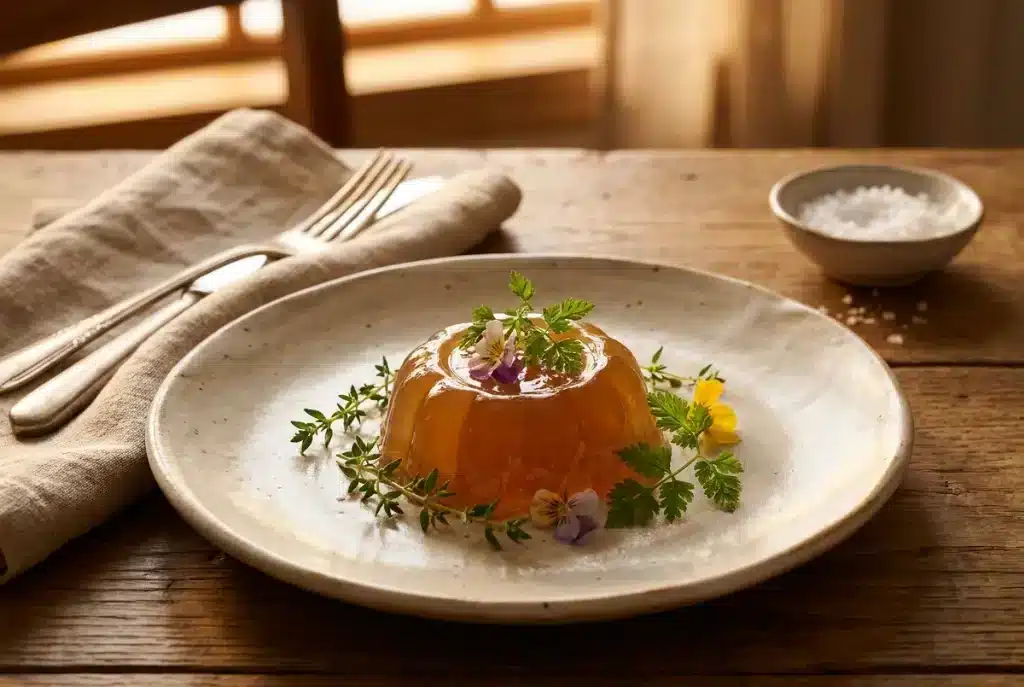
Simple Homemade Gelatin Fruit Gummies (Kid-Approved)
Ingredients
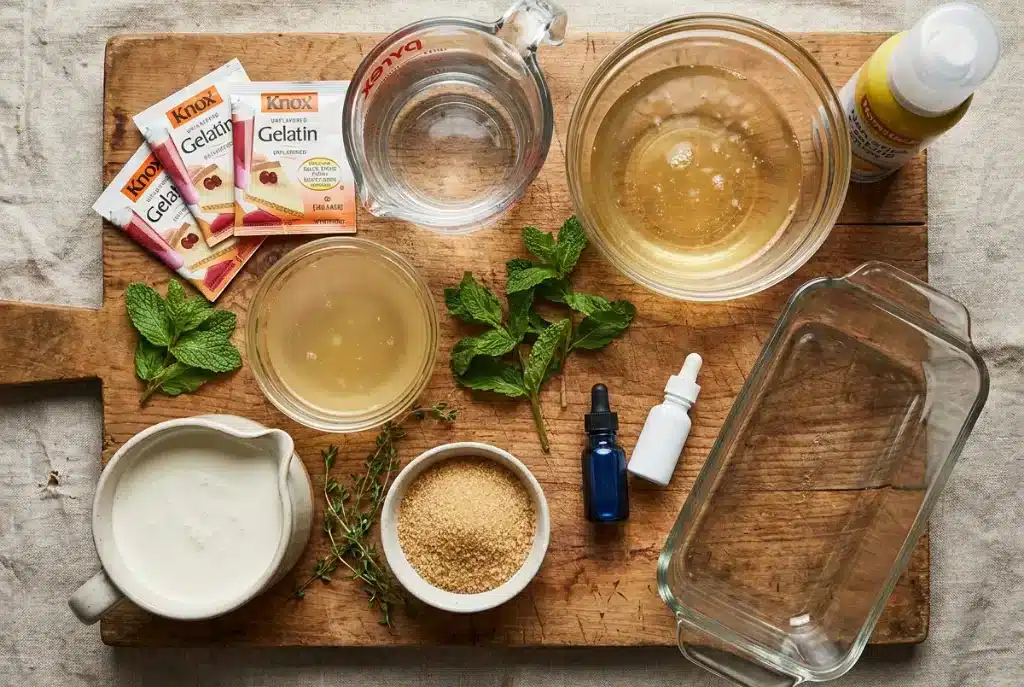
- 2 cups 100% pure fruit juice (grape (apple, or mixed berry work great))
- 4 tablespoons unflavored bovine gelatin powder (clearly labeled (like Knox or Great Lakes))
- 2 tablespoons honey or pure maple syrup (optional (for extra sweetness))
- 1 teaspoon fresh lemon juice
- Silicone gummy molds or a small baking dish
Instructions
- Pour the fruit juice into a small saucepan. Sprinkle the gelatin powder evenly over the cold juice and let it sit for 5 minutes to bloom.
- Place the saucepan over low heat. Stir gently and continuously until the gelatin is completely dissolved, about 3-5 minutes. Do not boil.
- Stir in the honey (or maple syrup) and lemon juice. Taste and adjust sweetness.
- Carefully pour the mixture into silicone molds or a lightly oiled baking dish using a ladle or measuring cup with a spout.
- Refrigerate for at least 2 hours until fully set. If using a baking dish, cut into squares with a sharp knife once set.
- Pop gummies out of molds and serve. Store in an airtight container in the refrigerator for up to 5 days.
Notes
Always bloom your gelatin in cold liquid first, then gently heat. Pouring dry gelatin into hot liquid causes lumps that never fully dissolve.
Use silicone molds for easy unmolding. A pastry brush lightly oiled with coconut oil on the molds helps even more.
Avoid fresh pineapple, kiwi, or papaya juice, these contain enzymes (bromelain, papain) that prevent gelatin from setting. Use canned or cooked versions instead.
For extra firmness (great for lunchboxes), increase gelatin to 5 tablespoons. For a softer, more jiggly texture, reduce to 3 tablespoons.
These keep for 5 days in the fridge but can also be frozen for up to 3 months. Thaw overnight in the fridge before serving. 💡 Sourcing Tips for Gelatin:
Look for gelatin that clearly states "bovine" or "grass-fed beef" on the label if you want to avoid any ambiguity about the source.
For halal-certified options, look for products with a recognized halal certification body's mark, not just a claim on the front of the package.
Specialty health food stores often carry gelatin from verified sources with full transparency about the animal origin and processing.
Nutrition
- Always bloom your gelatin in cold liquid first, then gently heat. Pouring dry gelatin into hot liquid causes lumps that never fully dissolve.
- Use silicone molds for easy unmolding. A pastry brush lightly oiled with coconut oil on the molds helps even more.
- Avoid fresh pineapple, kiwi, or papaya juice, these contain enzymes (bromelain, papain) that prevent gelatin from setting. Use canned or cooked versions instead.
- For extra firmness (great for lunchboxes), increase gelatin to 5 tablespoons. For a softer, more jiggly texture, reduce to 3 tablespoons.
- These keep for 5 days in the fridge but can also be frozen for up to 3 months. Thaw overnight in the fridge before serving.
- Look for gelatin that clearly states “bovine” or “grass-fed beef” on the label if you want to avoid any ambiguity about the source.
- For halal-certified options, look for products with a recognized halal certification body’s mark, not just a claim on the front of the package.
- Specialty health food stores often carry gelatin from verified sources with full transparency about the animal origin and processing.
The first time I made homemade gelatin gummies for my kids, I used way too much gelatin because I panicked that they wouldn’t set properly. They came out so firm you could practically bounce them off the floor, my kids thought it was hilarious, but I was mortified. I’ve made them dozens of times since then, always with clearly labeled, certified bovine gelatin, and I’ve gotten the texture exactly where I want it. Researching horse gelatin for this article actually made me more confident about all gelatin products, not less. Understanding the safety profile, the processing, and the labeling took away a lot of the mystery. Knowledge is genuinely the best ingredient in any kitchen.
Gelatin as a food ingredient has been used across cultures for centuries, from French aspics and British jellies to Japanese wagashi and Chinese traditional medicine. Horse-derived gelatin specifically has deep roots in French and Belgian cuisine, where horse meat remains part of the traditional culinary heritage. In these regions, equine collagen products are produced under strict EU food safety regulations.
Yes, horse gelatin has a very similar bloom strength and gelling behavior to bovine gelatin, so a 1-to-1 substitution works in most recipes. The flavor is slightly milder, which can actually be an advantage in delicate desserts. That said, horse gelatin is much harder to find in US stores, so you’d likely need to source it from a specialty supplier.
If you’re planning a fun gathering with your kids and want more creative food ideas, our pineapple strawberry centerpiece guide is a gorgeous, crowd-pleasing way to make the table feel festive without any ingredient anxiety.
Final Thoughts
So, is horse gelatin safe for humans to eat? Yes, genuinely, when it’s properly sourced and processed. It’s not some mysterious dangerous ingredient. It’s collagen, just from a different animal than most Westerners are used to. The real conversation around horse gelatin is about transparency, labeling, cultural context, and personal values, not safety in the scientific sense.
For our family, I stick with clearly labeled bovine gelatin because it’s easy to find, well-regulated, and I never have to worry about ambiguous sourcing. But if you come across a horse gelatin product from a reputable certified supplier, you now know enough to evaluate it with confidence. That’s the whole point of this guide.
Whether horse gelatin is safe for humans to eat will keep coming up as more people start reading labels closely and asking good questions. I’m so glad you’re one of those people. Keep asking. Keep reading. And keep cooking for the people you love.
Frequently Asked Questions
Yes, horse gelatin is generally safe for human consumption when produced under regulated conditions. Like other types of gelatin, it is derived from collagen in animal connective tissues. The safety depends on the sourcing and processing methods. Reputable manufacturers follow strict guidelines to ensure purity and safety. Always check for certifications and labels if you have specific dietary or ethical concerns.
Horse gelatin shares similar health benefits with other gelatins, such as supporting joint health, improving skin elasticity, and aiding digestion. It contains amino acids like glycine and proline, which are beneficial for collagen production. However, the nutritional profile can vary based on the source and processing. Always ensure the product is free from contaminants and properly labeled.
Yes, horse gelatin can be used in recipes just like bovine or pork gelatin. It has similar gelling properties and can be substituted in a 1:1 ratio. However, the flavor and texture might vary slightly. For best results, follow the manufacturer’s instructions and test in small batches if you’re new to using horse gelatin.
Identifying horse gelatin in products can be challenging due to labeling practices. Look for terms like “gelatin (equine)” or check the ingredient list for specific animal sources. Some products may also carry certifications indicating the source. When in doubt, contact the manufacturer directly for clarification.
Horse gelatin can be Halal if processed according to Islamic dietary law, but this depends on the school of jurisprudence followed. It is NOT kosher under any circumstances, as horses are not considered a kosher animal. Look for Halal or Kosher certification labels on the packaging, and consult with religious authorities if you’re uncertain.
The primary risks are similar to other animal-derived gelatins: potential allergic reactions to equine proteins, and possible trace medication residues if sourced from non-regulated suppliers. Ensure the product is from a reputable, certified source and free from harmful additives. Those with equine protein sensitivities should avoid horse gelatin entirely.